Why is The ‘Wolf Supermoon’ of January 2026 So Special? Reasons Why You Should Not Miss It

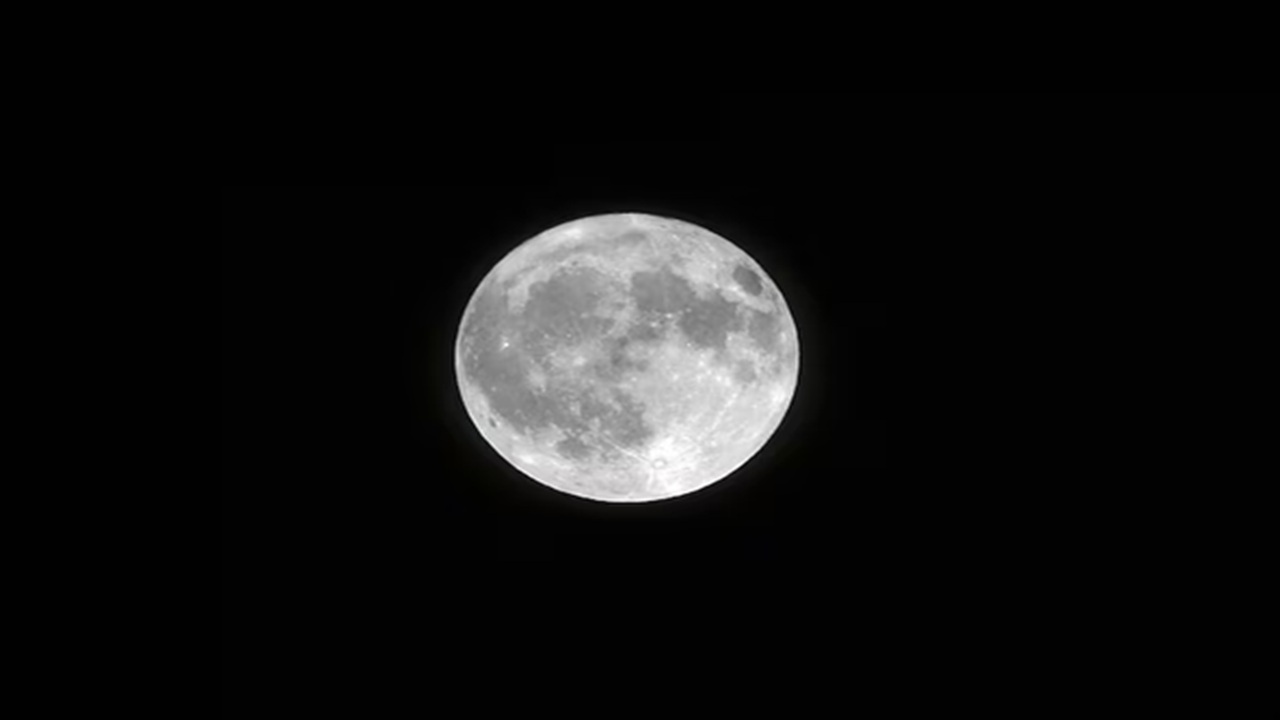
A unique phenomenon is going to occur on 3rd of January. On January 3, 2026, the Wolf Moon will be at its brightest. The full moon phase will begin at about 3:33 pm IST for those in the Indian time zone.
The distance between the Earth and the Moon varies throughout the month. At its closest distance from the Earth, sometimes referred to as the ‘perigee’, the Moon is around 220,000 miles distant. It can be as far as 250,000 miles away at its farthest point, which is known as the ‘apogee’. A supermoon occurs when the full moon occurs close to the perigee. A variety of recognizable consequences result from this, according to the reports. The Moon’s orbit around the Earth is somewhat ovate, not circular.
Because it falls during perihelion, when the Earth is closest to the Sun, the first full moon of the year appears larger and brighter. The Quadrantid meteor shower peaks.
Reasons to Watch the Wolf Supermoon:
- It’s the first Supermoon of 2026, and at perigee (its nearest point to Earth) it is 30% brighter and 14% larger than a typical full Moon.
- The cosmic show will be enhanced by the nearby presence of Jupiter and Saturn.
- Despite the moonlight, it coincides with the peak of the Quadrantid meteor shower, providing an opportunity to observe dazzling fireballs.
- As the Moon rises closer to the horizon at sunrise on January 2-3, the Moon’s illusion makes it seem even larger and more orange, according to the media reports.
Read Latest News and Breaking News at The Newsman, Browse for more World News