Justice Surya Kant Appointed as the Next Chief Justice of India

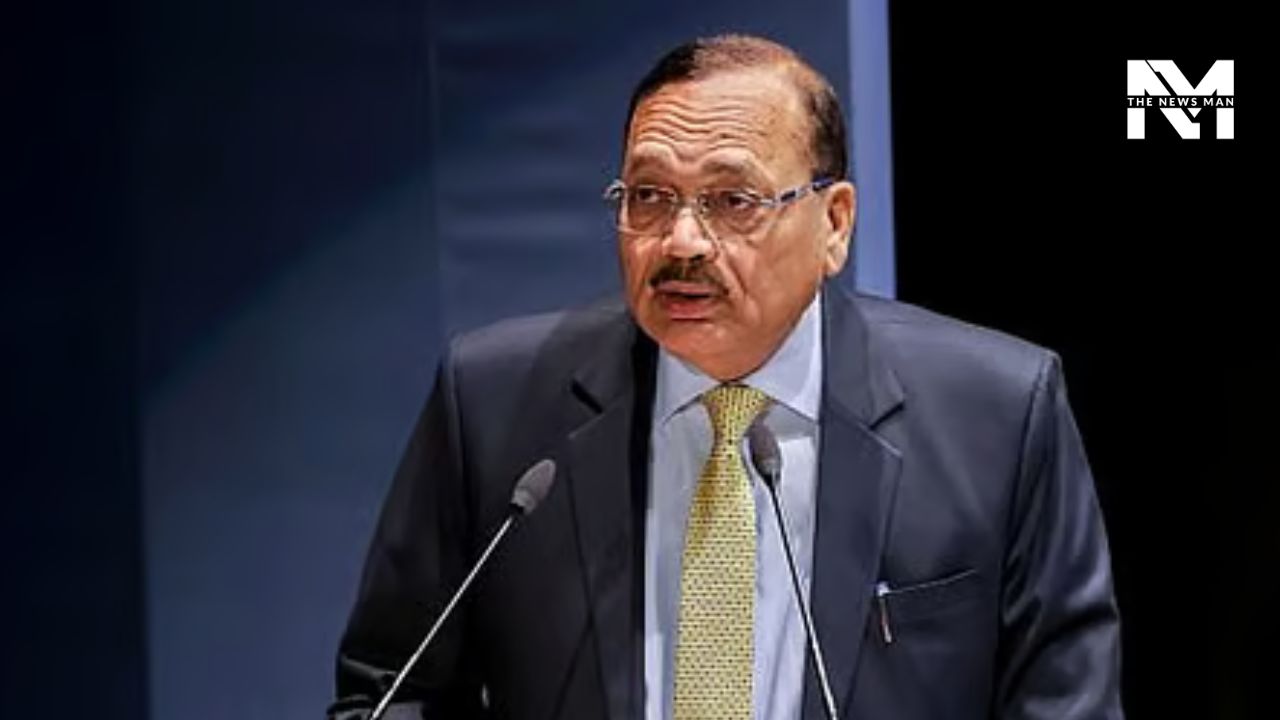
Justice Surya Kant has been appointed as the 53rd Chief Justice of India (CJI), succeeding Justice B.R. Gavai.
He will serve as the CJI for nearly 15 months, beginning November 24, 2025, and will demit office on February 9, 2027, upon attaining the age of 65 years.
Announcing the appointment, Union Law Minister Arjun Ram Meghwal wrote on X: “In exercise of the powers conferred by the Constitution of India, the President is pleased to appoint Shri Justice Surya Kant, Judge of the Supreme Court, as the Chief Justice of India with effect from November 24, 2025.”
Born on February 10, 1962, in Hisar, Haryana, Justice Surya Kant was elevated to the Supreme Court on May 24, 2019. He graduated from Government Post Graduate College, Hisar (1981) and earned his Bachelor’s degree in Law (LL.B.) from Maharishi Dayanand University, Rohtak (1984).
He began his legal career at the District Court, Hisar (1984), and moved to Chandigarh (1985) to practice at the Punjab and Haryana High Court. He later served as Advocate General of Haryana before being elevated as a permanent judge of the Punjab and Haryana High Court on January 9, 2004. Justice Kant also served as a Member of the Governing Body of the National Legal Services Authority (NALSA) from February 23, 2007, to February 22, 2011.
Landmark Judgments and Legal Journey
- Justice Surya Kant brings over two decades of judicial experience marked by landmark verdicts across constitutional, social, and administrative law.
- Part of the bench that upheld the abrogation of Article 370 in Jammu and Kashmir.
- Played a key role in keeping the colonial-era sedition law in abeyance, directing that no new FIRs be filed until a government review.
- Urged the Election Commission to ensure transparency by disclosing details of 65 lakh names excluded from the electoral rolls.
- Directed that one-third of seats in bar associations, including the Supreme Court Bar Association, be reserved for women.
- Upheld the One Rank-One Pension (OROP) scheme, calling it constitutionally valid.
- Heard petitions by women officers seeking parity in permanent commissions in the armed forces.
- Was part of the bench that heard the Pegasus spyware case, which led to the appointment of an independent panel of cyber experts to investigate allegations of unlawful surveillance.
Read Latest News and Breaking News at The Newsman, Browse for more Law And Order News