Adivasi Identity, Left Values and a Young Civic Candidate: CPI(M) in BMC Election
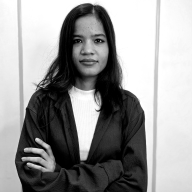
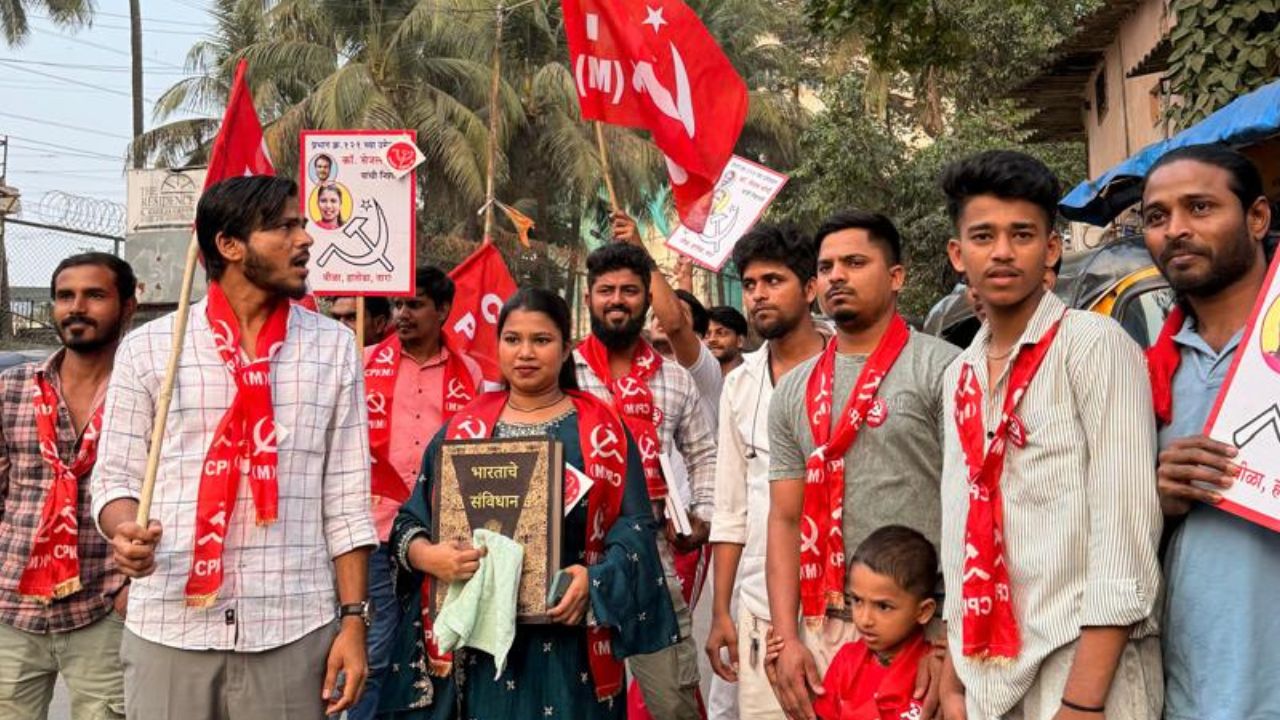
On a humid afternoon not far from Aarey’s forest edge, Sejal Bhopi speaks less like a traditional political aspirant and more like a community organiser taking stock of unfinished work. At 22, she is among the youngest candidates contesting from Ward No. 121, Powai, the only Scheduled Tribe–reserved women’s seat in the Brihanmumbai Municipal Corporation (BMC) elections 2026.
The ward, which has approximately 28,000 registered voters, is shaping up to be a multi-cornered contest. Six candidates are in the fray, representing the CPI(M), Shiv Sena (UBT), Shiv Sena, the Vanchit Bahujan Aghadi, along with two independent candidates. The crowded field underscores both the political significance of the seat and the challenges facing smaller parties attempting to break through Mumbai’s tightly contested civic landscape.
A Different Idea of Representation
Unlike many candidates who rely on political lineage or organisational machinery, Bhopi frames her candidacy as a response to what she sees as a deeper democratic gap.
While talking to the Newsman she said, “Counselling, decision-making, governance, it cannot come from outside, It has to come from people who belong to the community, who understand problems from the roots.”
Her argument challenges the traditional structure of Mumbai’s municipal politics, long dominated by established parties and career politicians. In contrast, Bhopi believes local governance requires representatives who are embedded in everyday civic life who understand why AQI readings matter to children walking to school, or why playgrounds and libraries can be as important as roads and drains.
That belief has shaped her work on the ground. Beyond activism around Aarey, she has taught chess to students in her community, an initiative she describes not as extracurricular, but as essential. “Critical thinking, patience, strategy, these are skills children from marginalised backgrounds are often denied,” she said. “Politics should expand possibilities, not just manage crises.”
Youth, Visibility and Skepticism
Bhopi’s age is both her defining feature and her biggest challenge. While she says she has sensed growing admiration for young candidates, especially among first-time voters, skepticism remains a constant undercurrent.
Municipal elections are often won not by vision but by networks, ward-level influence, booth management and access to resources. Critics quietly question whether idealism can translate into votes in a city where civic politics is intensely transactional.
Bhopi does not dismiss these realities. Instead, she reframes success. “Winning an election is important,” she said, “but shifting how people think about leadership is also a victory.”
Still, the question lingers: can a 22-year-old activist break through Mumbai’s entrenched civic machinery?
Aarey as a Political Fault Line
Few issues have polarised Mumbai as sharply as Aarey. For Bhopi, the forest is not just an environmental concern but a symbol of governance failure where development is pursued without listening to those most affected.
She argues that municipal politics has treated environmental costs as negotiable, even invisible. “When green spaces disappear, it’s the poorest communities who breathe the worst air and lose access to public land,” she said.
By centring Aarey in her campaign, Bhopi aligns herself with a broader shift in urban politics, where climate, public health and inequality increasingly intersect. Whether that shift has reached Mumbai’s voting booths remains uncertain.
More Than a Single Candidacy
As the 2026 BMC elections approach, Sejal Bhopi’s campaign highlights a larger shift underway in urban politics one where young candidates are attempting to redefine what civic leadership looks like.
Her focus on environmental protection, education and community-rooted governance challenges the idea that municipal politics must be limited to roads, drains and contracts. At the same time, her candidacy tests whether Mumbai’s electorate is ready to place trust in leadership that prioritises long-term vision over immediate returns.
The election will ultimately decide her political fate. But the presence of candidates like Bhopi suggests that Mumbai’s civic politics may be entering a period of quiet transition where the demand is not just for representation, but for representation that reflects the city’s lived realities.
Read Latest News and Breaking News at The Newsman, Browse for more Politics News