Does Rice Contribute to Weight Gain? Exploring the Pros and Cons of Rice in Your Diet

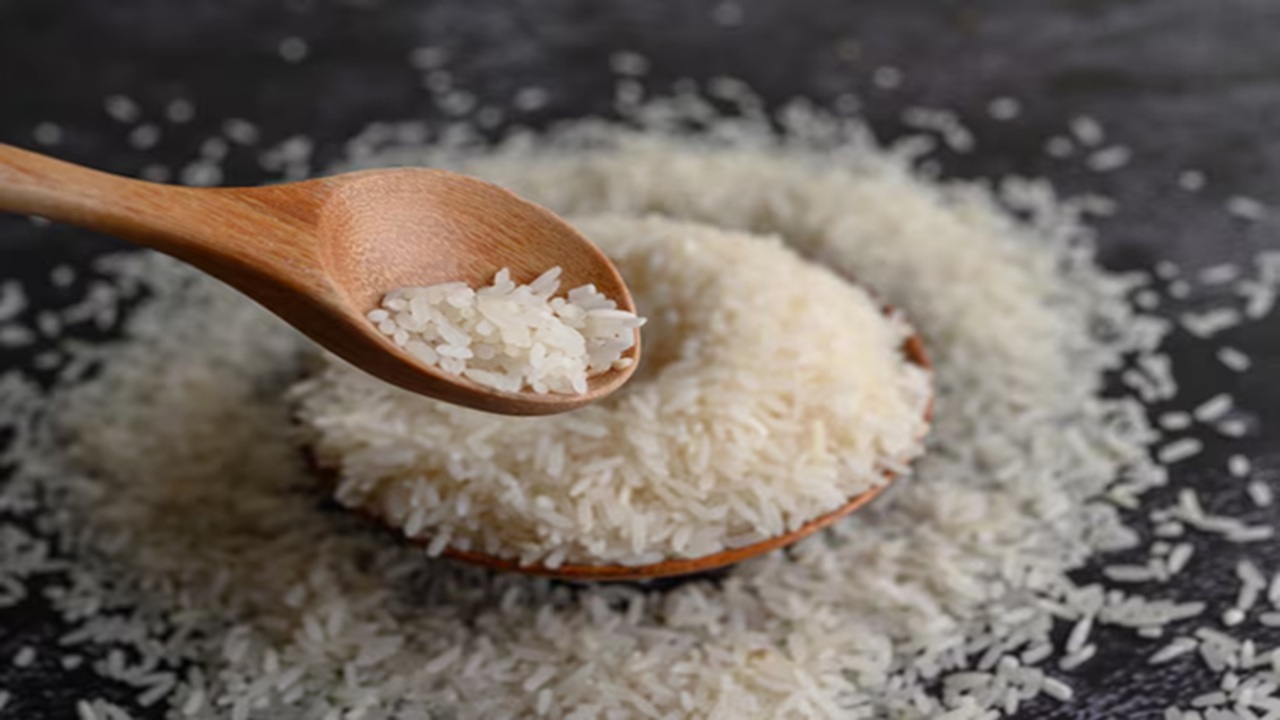
Everybody is conscious of their health and especially about their weight. To lose weight or, in general, maintain weight, we cut off the junk food and daily food which is responsible for the weight gain. Many of us cut down on eating rice in larger proportions while thinking it could make us fat. But here, let’s understand the nutritional value of the rice and what are the disadvantages of eating the rice.
Rice itself does not directly lead to weight gain; rather, excess calorie intake and overeating are the primary factors. When consumed in moderation, rice may be a nutritious and energy enhancing component of a diet, but it is a high calorie food that can cause weight gain if eaten in large quantities, as per the reports.



Let’s Learn the Advantages and Disadvantages:
- Because of their greater fiber content, brown rice and other whole grain choices are more beneficial for weight control.
- The high fiber, manganese, selenium and B vitamins content of brown and wild rice makes them a nutrient dense food.
- It serves as a carbohydrate source, giving the body energy for daily tasks.
- It combines well with lean proteins, legumes and veggies to make a nutritious, well balanced supper.
- Excessive calorie intake is more likely to result from large portions, especially while eating foods high in fat.
- Compared to brown rice, white rice has a higher glycemic index (GI), which results in quicker increases in blood glucose.
(Disclaimer: Given the input is on an information basis, please seek professional advice.)
Read Latest News and Breaking News at The Newsman, Browse for more Lifestyle News