In Mumbai, a New HIV Reality Emerges, but Old Stigmas Hold On

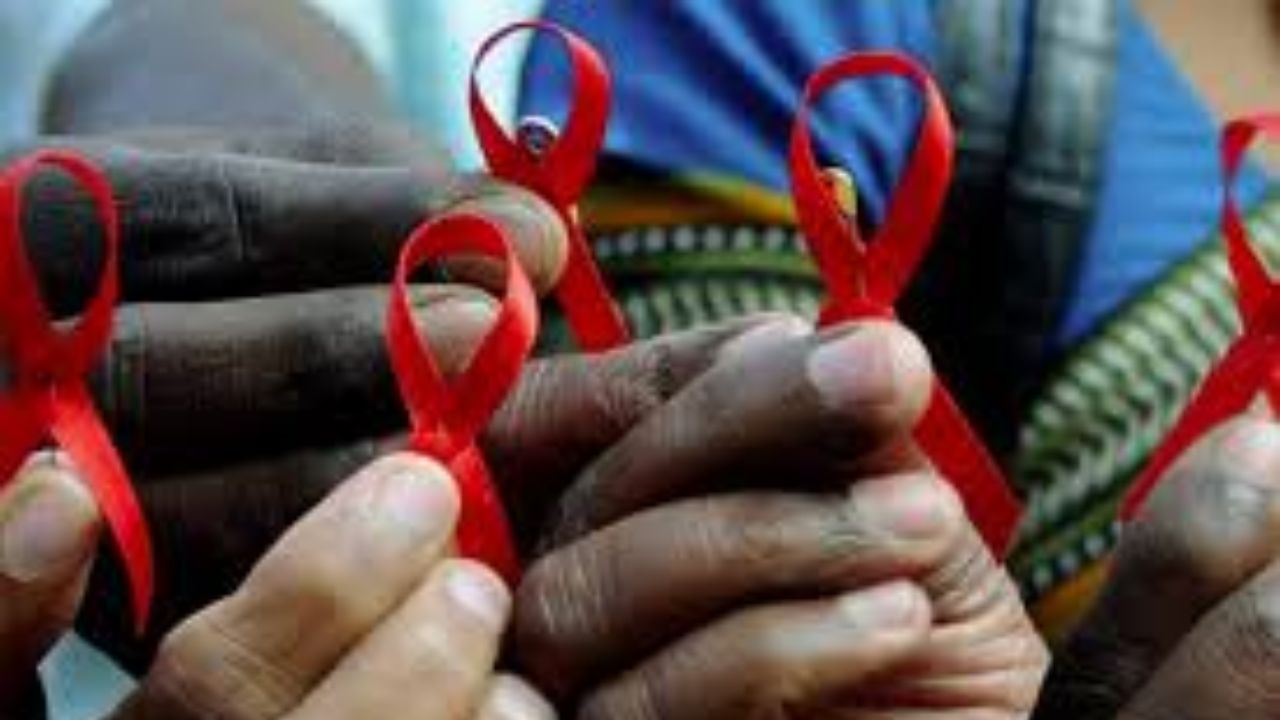
On World AIDS Day, Mumbai’s public health officials, doctors and advocacy groups are focused on a paradox that has come to define the city’s relationship with HIV: the science has moved forward, the treatment landscape has transformed yet the public perception remains stubbornly trapped in the past.
A City Talking About Progress; Quietly
In clinics across Sion, Govandi, Kurla and the western suburbs, physicians say the same thing: HIV has changed. People diagnosed today, if treated early, can live long, healthy, fully productive lives. Many maintain undetectable viral loads, making transmission virtually impossible. Antiretroviral therapy (ART), once difficult to access, is now widely available and free under India’s national programme.
But this “quiet success story,” as one Mumbai health official described it, rarely becomes public conversation.
A New Epidemic Profile
One of the biggest shifts in Mumbai is who is getting tested and when. Younger adults, particularly women in their early 20s, are now approaching municipal hospitals for screening at higher rates. Counselors attribute this to a rising culture of openness, but also to fear driven by misinformation spreading on social media.
Meanwhile, the city’s targeted interventions continue to reach sex workers, the LGBTQ+ community and people who inject drugs but doctors stress that the virus increasingly affects individuals outside these traditionally identified groups.
“The face of HIV in Mumbai is no longer who people think it is,” said a senior doctor at JJ Hospital. “But our attitudes haven’t caught up with the science.”
Medicines That Changed the Story
The biggest transformation, experts say, is that HIV in India today is a chronic, treatable condition much like diabetes. Pregnant women who receive ART can nearly eliminate the risk of transmitting the virus to their babies. Many patients, even in their 70s and 80s, live completely normal lives.
In Maharashtra, health officials say the number of new infections and AIDS-related deaths has significantly declined over the past decade. Yet these gains go largely uncelebrated in part because public discussion remains shaped by a sense of shame.
Stigma, Not the Virus, Is the Bigger Battle
Despite legal protections and the availability of treatment, people living with HIV in Mumbai still describe discrimination in schools, workplaces and even private hospitals. Some fear testing because they worry information could be leaked to employers or family members.
“Every scientific breakthrough has arrived. What hasn’t arrived is compassion,” said a community organizer in Dharavi who works with adolescents living with HIV.
Counselors report that many patients still ask whether they should avoid touching others or sharing utensils myths that have been disproven for decades. The medical advances, they say, will matter little unless the public narrative evolves alongside them.
A Moment for Mumbai to Relearn the Basics
On this World AIDS Day, health workers across the city are repeating a message that feels both new and old:
HIV is not a death sentence. It is not spread through touch or shared meals. Treatment works. People with HIV live full lives. And empathy not fear is the tool the city needs most.
Mumbai, a city that prides itself on resilience, now faces a quieter, more intimate challenge: to outgrow the stigma of the past and embrace a scientific reality that has already changed millions of lives.
Read Latest News and Breaking News at The Newsman, Browse for more India News