Saniya MQ Isn’t a ‘Hijab Girl’ or a ‘Gully Girl.’ She’s an Artist Rewriting Mumbai’s Hip-Hop Story
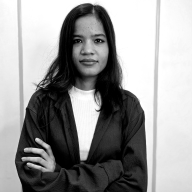
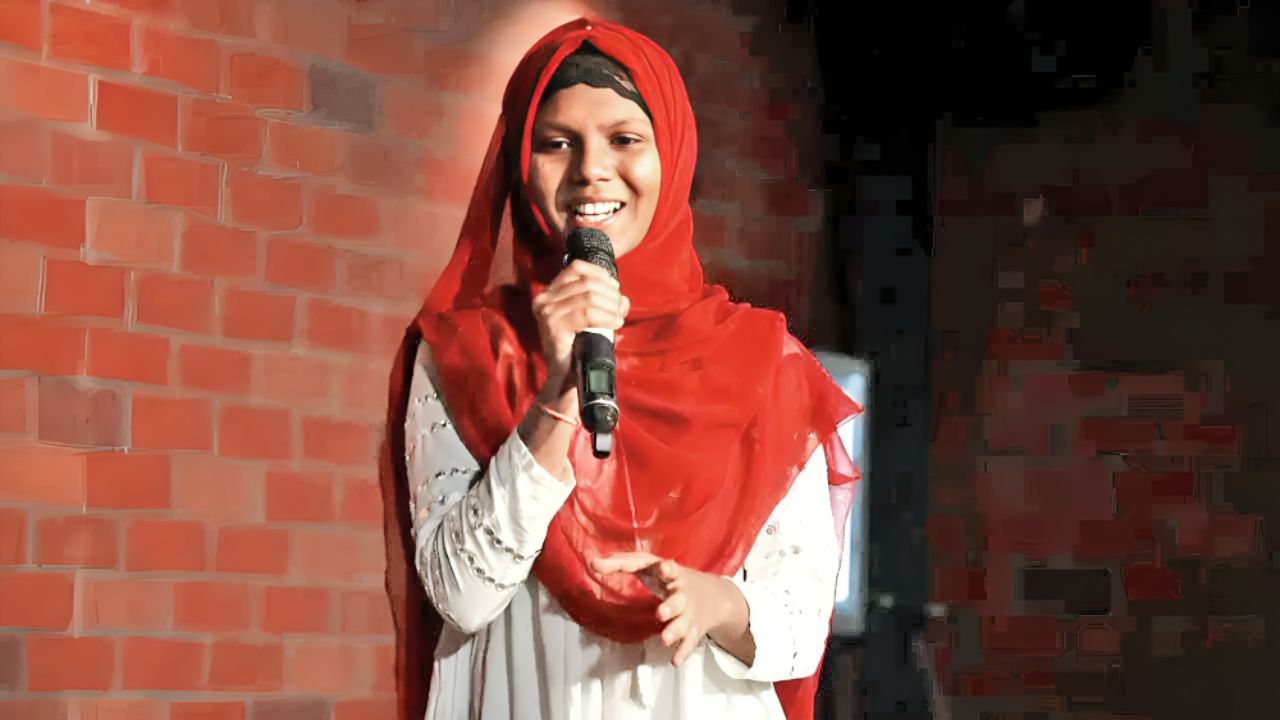
At just 16, Saniya Qaiyummuddin Mistri, aka Saniya MQ, has emerged as one of Mumbai’s most uncompromising young voices in hip-hop, a rapper who refuses every stereotype imposed on her. Born and raised in the chawls of Govandi, she channels the city’s inequalities, tensions and everyday struggles into sharp, socially charged rap.
Her identity is defined not by appearance or geography, but by artistry, conviction and a fearless commitment to telling the stories others overlook.
Saniya has already learned what it means to be defined by labels she never asked for. On social media, she is sometimes framed as the “hijab girl who raps.” In the entertainment press, she is often packaged as Mumbai’s “Gully Girl,” a reference to the Gully Boy phenomenon that pushed Indian hip-hop into the mainstream.
Saniya rejects both.
“I’m not a hijab girl. I’m not a gully girl,” she has said. “I’m an artist.”
That insistence, quiet, firm, and immovable has shaped the music she is now preparing to release in her first EP.
A Rapper Carved Out of Conscience
Growing up in the chawls of Govandi, one of Mumbai’s most under-resourced neighborhoods, Saniya did not enter hip-hop for glamour or virality. Her craft is rooted in what she has seen: systemic corruption, everyday sexism, political fracture, and the routine indignities of poverty. These themes run through her verses with a clarity far beyond her age.
Her rise began online. Instagram became her stage, where her raw, observational rap found an audience that kept multiplying. Then came Hunarbaaz, the reality series that introduced her voice to mainstream India. What followed were collaborations, stage shows, and a community of young listeners who saw in her not just talent, but truthfulness.
Breaking Out of Boxes
The media’s fascination with positioning her as the female counterpart to the “gully boy” narrative never sat well with Saniya. While she acknowledges that the film helped Indian hip-hop explode into the cultural mainstream, she refuses to let herself be flattened into a trope.
Her identity often overemphasized visually or culturally by outsiders is something she insists on steering herself. She speaks about social deprivation, not her clothing. She speaks about inequality, not labels. She speaks as a young woman who knows that talent and observation, not stereotypes, should define her.
In reclaiming her narrative, she underscores what Indian hip-hop has always stood for: self-definition.
Changing Mumbai’s Hip-Hop Landscape
From Govandi’s narrow lanes to global platforms, Saniya has shifted what it means to be a street rapper in Mumbai. She is part of a new generation that treats hip-hop as both resistance and documentation.
Her presence alone challenges old assumptions, about who gets to rap, whose stories matter, and whose voice deserves to echo beyond the “gully.”
As she readies her first EP, the promise is clear: Saniya MQ is not here to fit into anyone’s frame. She is here to build her own.
Read Latest News and Breaking News at The Newsman, Browse for more Entertainment News