SpaceX Successfully Launches Starship From Texas for 13th Test Flight

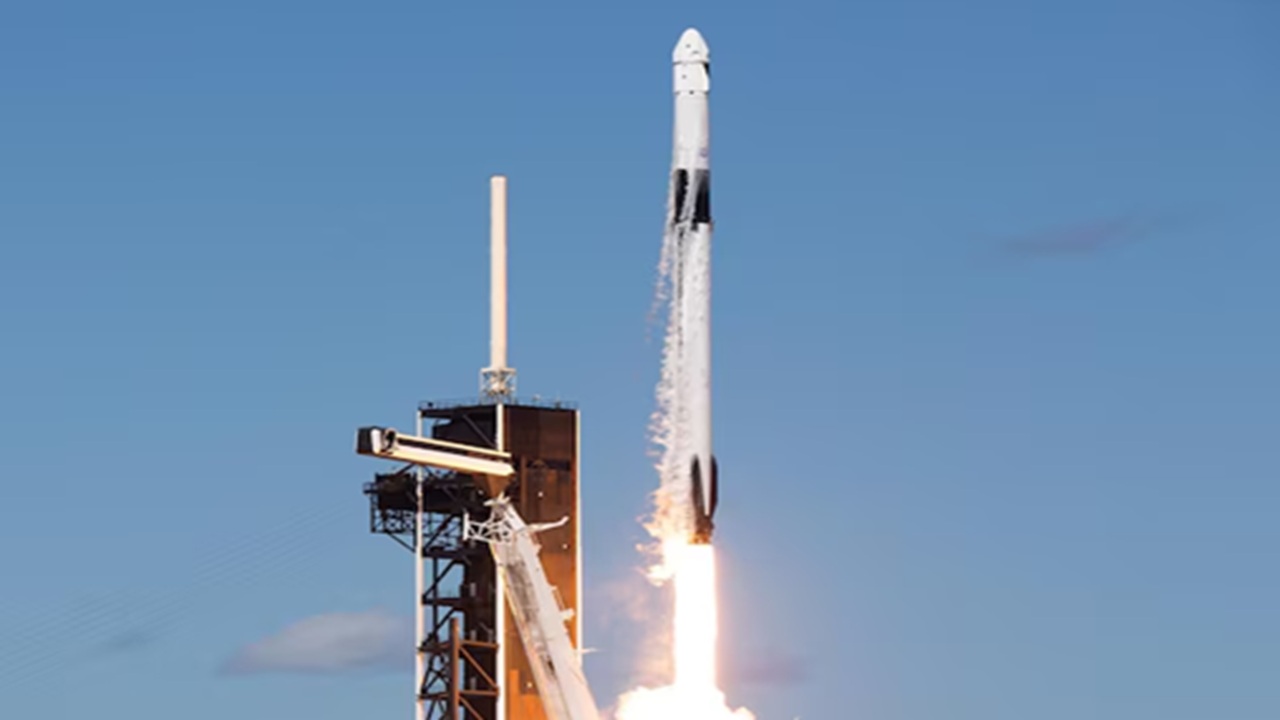
On Friday, SpaceX’s Starship rocket lifted off from Texas to showcase a variety of onboard capabilities, including the rocket’s maiden suborbital deployment of fresh Starlink satellites.
According to reports, the starship rocket weighing roughly 400 feet tall, that is, 122 meters, was blasted off around 6.50 pm ET from SpaceX’s Starbase company town, with the Super Heavy first stage booster sending its Starship upper stage on a suborbital trajectory. Starship will re-enter the Earth’s atmosphere and splash down in the Indian Ocean, concluding the hour long mission.



According to SpaceX, the Super Heavy booster returned to Earth and crashed into the Gulf of Mexico harder than anticipated around ten minutes into its journey, when Starship was travelling at over 16,400 mph (26,400 kph) in space, despite having reignited more engines than its unsuccessful return in May during a prior test flight.
The 13th test flight of the starship since 2023 is part of SpaceX’s plans to expand Starlink, send people to the moon for NASA and eventually put thousands of artificial intelligence-processing satellites into orbit, as per reports.
Flight Highlights
Payload Milestone: In space, the first ever suborbital launch of twenty cutting edge Starlink V3 satellites was carried out.
Booster Landing: Completed a flight profile of around one hour, which ended with a gentle, undamaged splashdown in the Indian Ocean and provided important heatshield information.
Upper Stage Outcome: The Super Heavy booster returned to the Gulf of Mexico, but it impacted the sea with more force than anticipated after a partial engine relight during its landing burn.
Read Latest News and Breaking News at The Newsman, Browse for more World News