Are You Eating Roasted Chickpeas? 6 Side Effects That You Can’t Ignore

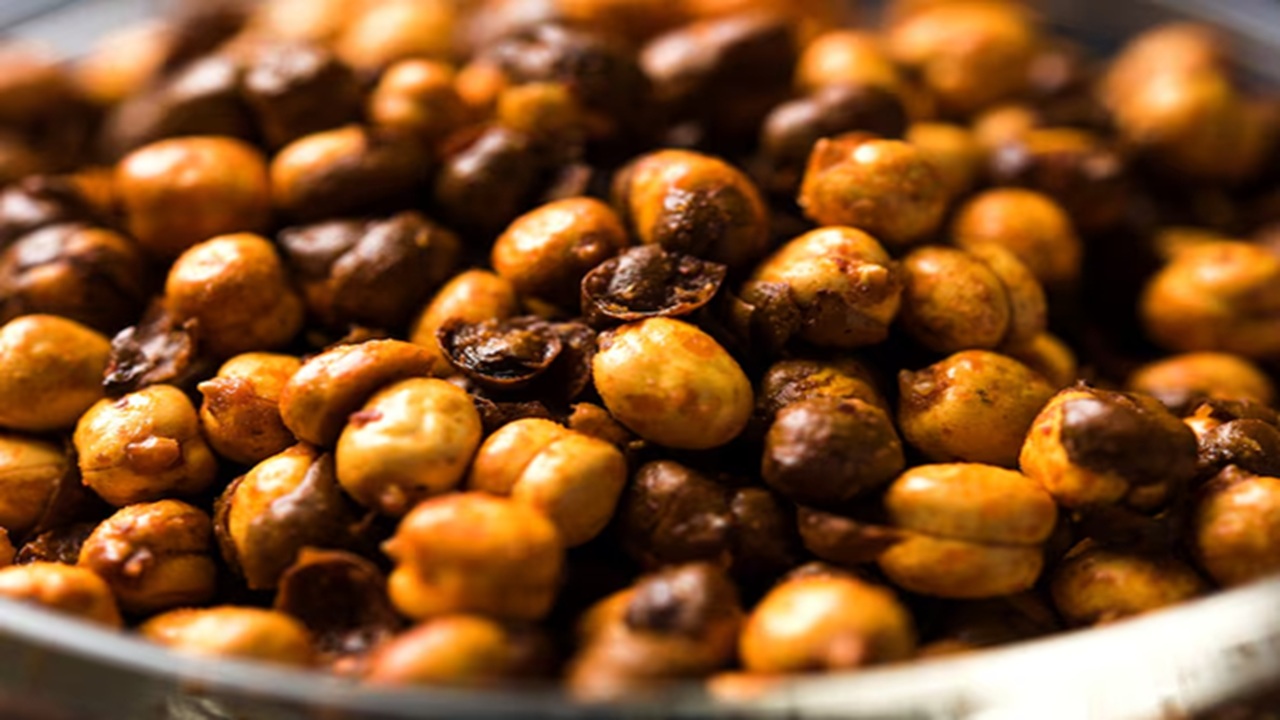
Eating chickpeas isn’t always good for snacking. It could have adverse consequences. You may experience negative effects if you consume more roasted chickpeas than you should. There may be adverse effects from eating roasted chickpeas (chana). These are mostly related to digestive problems. Let’s examine the harmful consequences of consuming too many roasted chickpeas on our health.
Because roasted chickpeas are high in fiber and resistant starch, eating them in large quantities might lead to digestive discomfort, such as bloating and gas. Other potential negative consequences include acrylamide formation from high temperature roasting, though this is less of a concern at normal consumption levels, excessive salt intake from additional salt in it and allergic reactions in predisposed people.
Mainly, it can develop problems with the digestion. If you are eating roasted chickpeas, then drinking water after eating it can lead to stomach disturbance. Let’s understand the potential side effects.
What Are The Side Effects?
Gas and Bloating: Due to their high fiber and resistant starch content, they can cause digestive pain, especially if you are not used to them.
Allergic Reactions: If you are allergic to legumes, you may experience an allergic reaction to chickpeas, which may manifest as hives, itching or trouble breathing.
Constipation: Lack of hydration might cause constipation because the fiber absorbs water.
Hard to Digest: According to some reports, chickpeas are hard to digest since they include FODMAPs (fermentable oligosaccharides, disaccharides, monosaccharides and polyols), which some people may find difficult to digest and cause bloating and gas.
Acrylamide: Roasting at high temperatures can produce acrylamide, which, if consumed in large quantities, may have long term negative health effects.
Excessive sodium: The addition of salt in commercially produced roasted chickpeas can be excessive, leading to water retention and high blood pressure. If you are having high blood pressure, then you must avoid eating the roasted chickpeas as much as possible.
(Disclaimer: Given the input is on an information basis, please seek professional advice.)
Read Latest News and Breaking News at The Newsman, Browse for more Lifestyle News