From Street Theatre to Instagram: How an Independent Film ‘Nukkad Nataak’ Is Trying to Earn Its Screens

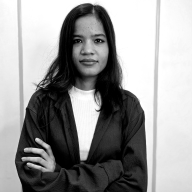
In Mumbai’s crowded film economy, most movies announce themselves with trailers, hoardings, and release dates. Nukkad Nataak has done none of that, at least not yet.
The independent Hindi film, led by actor Molshri Singh and directed by Tanmaya Shekhar, has not been released. It does not have a large distributor, nor a confirmed slate of theatres. What it does have is something rarer: a sustained, visible campaign to convince audiences, and exhibitors, that it deserves to be seen.
For Molshri Singh, the journey to this point has been long and uncertain. She moved to Mumbai years ago with the ambition shared by many young artists: to work in Hindi cinema. But auditions did not turn into roles, and opportunities in mainstream films remained elusive. Rather than continuing to wait for entry into the industry, she and Tanmaya decided to make their own film.
They completed Nukkad Nataak with a limited budget and a great deal of personal investment. Finding a producer afterward proved even more difficult than making the film itself. At that point, the team faced a choice familiar to many independent filmmakers: shelve the project indefinitely or attempt to move forward without institutional backing.
They chose the latter.
Promotion Before Permission
In the conventional Hindi film pipeline, promotion follows distribution. For Nukkad Nataak, the sequence has been reversed. The team is actively promoting the film while still trying to secure theatres.
Instead of relying on advertising budgets or public relations firms, Molshri, Tanmaya and their collaborators have taken a grassroots approach. They have been meeting people in person, speaking at cafés, cultural spaces, colleges, and informal gatherings, introducing the film directly to potential audiences.
The strategy is not designed for immediate scale. Its aim is persuasion: to show that interest exists even before tickets are available. In doing so, the campaign becomes part advocacy, part storytelling and less about selling a finished product than about building belief around it.
This approach recalls older traditions of street theatre and independent cultural movements, where artists carried their work to the public rather than waiting for formal platforms to open.
Social Media as a Narrative, Not an Advertisement
Online, the film’s visibility has grown through a carefully sustained narrative rather than sporadic promotion. Molshri’s social media presence did not begin with announcements about Nukkad Nataak. Instead, she started by sharing a series on Instagram about how to enter Bollywood—detailing auditions, rejection, uncertainty, and the emotional cost of trying to remain visible in an opaque industry.
The posts were direct and unembellished. Over time, they attracted attention not because they promised success, but because they documented reality. By the time Nukkad Nataak entered the conversation, it felt like an outcome of the journey viewers had already been following.
The campaign reached a wider audience when Molshri appeared in a reel with filmmaker Imtiaz Ali. The video circulated widely, not as a conventional endorsement, but as a moment of recognition. For many viewers, it suggested that independent voices could still be acknowledged by the mainstream—without formal backing or launch events.
Yet the team did not treat the moment as a conclusion. The campaign continued, grounded in repetition and consistency rather than virality.
Old-School Values, Contemporary Platforms
Despite relying heavily on digital tools, the Nukkad Nataak campaign is rooted in traditional storytelling principles. Visual symbolism, continuity, and recognisability play a central role.
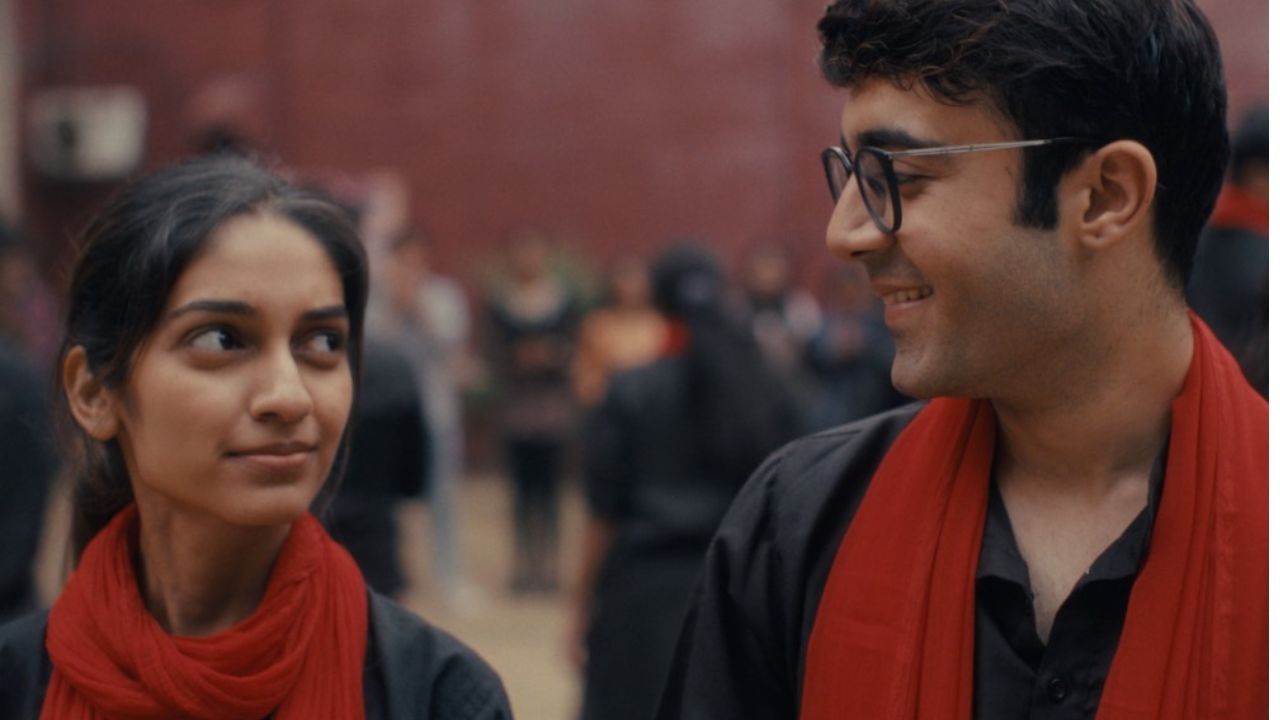
During promotions—and later at the Flame Awards 2025 in London, where Molshri won Best Actor for Nukkad Nataak, she and her team appeared in the same outfit: a black kurta paired with a red scarf or dupatta. The choice was intentional. The colours and attire reference the spirit of nukkad natak, a form of street theatre historically used to engage communities directly.
In an ecosystem that often rewards constant reinvention, the repetition stood out. Each appearance reinforced the same visual language, turning clothing into an extension of the film’s identity.
Social media, in this case, functioned not as a space for trend-chasing but as an archive of a single, sustained idea.
Recognition Without Release
Winning an international award for a film that has yet to reach theatres is an unusual distinction. The Flame Award in London has brought attention and credibility to Nukkad Nataak, but it has not resolved the core challenge facing the project: access to screens.
That tension, between recognition and reach defines much of the film’s journey. The campaign continues because it must. Each post, appearance, and conversation is part of an effort to demonstrate that an audience exists.
For Molshri, the story she tells online from explaining how one tries to enter Bollywood to publicly advocating for her own film’s release reflects a shift in how independent creators approach visibility. Promotion is no longer postponed until after approval. It becomes a tool to seek approval itself.
A Different Path to the Audience
Nukkad Nataak does not claim to offer an easy solution to the problems of independent cinema. Its strategy demands time, emotional labour, and persistence without guarantees. But it does suggest an alternative path—one where creative storytelling, consistency, and direct engagement can help bridge the gap between art and access.
Whether the film ultimately secures wider theatrical release remains uncertain. What is already evident, however, is that the campaign has reframed the question of entry. Instead of asking when the industry will allow the film in, the team is asking something else: what happens when artists take their story to the public first?
In today’s fragmented media landscape, that question may matter as much as the release itself.
Read Latest News and Breaking News at The Newsman, Browse for more Entertainment News