After 7.7 Megaquake, Magnitude 6.2 Earthquake Shakes Northern Japan


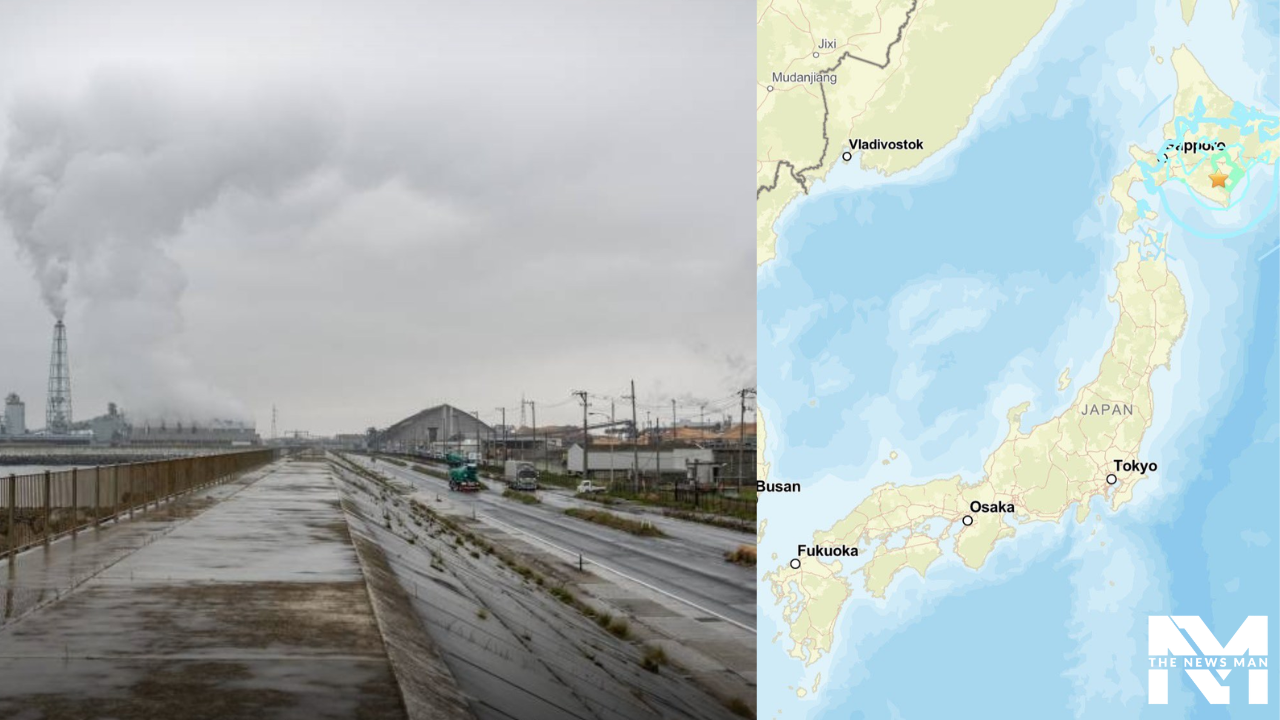
Just a week after the 7.7 megaquake struck Japan, on April 27, early Monday, a magnitude 6.2 earthquake struck northern Japan. Though authorities reported no damage or casualties, the Japan Meteorological Agency said no tsunami advisory was issued following the tremor, indicating no immediate threat to coastal areas. According to the US Geological Survey, the earthquake hit about 18 kilometres west of the small town of Sarabetsu on Hokkaido, Japan’s northernmost main island, at a depth of 81 kilometres. The USGS measured the quake’s magnitude slightly lower at 6.1.
For the unversed, last week, on April 20, a 7.7 magnitude earthquake struck northern Japan. The natural event sparked a short-lived tsunami alert and an advisory of a slightly higher risk of a possible megaquake for its coastal areas.
Magnitude 6.2 Earthquake Hits North Japan
6.1-magnitude quake hits Japan’s Hokkaido, no tsunami warning issued https://t.co/MXp1Csmq8C — The Straits Times (@straits_times) April 26, 2026
The Japan Meteorological Agency reported that a 6.2-magnitude earthquake struck Hokkaido at 5.24 am local time on Sunday, April 27. The quake occurred at a depth of about 85 kilometres. JMA initially estimated its magnitude at 6.1 but later revised it to 6.2.
On April 20, a 7.7-magnitude earthquake struck Aomori Prefecture in northeastern Japan. The early morning earthquake has heightened concerns after a series of recent tremors, prompting warnings of further seismic activity.
Japan is deemed one of the most earthquake-prone countries in the world. Since it is positioned along the Pacific Ring of Fire, where multiple tectonic plates converge, the country is prone to natural disasters. The country experiences roughly 1,500 earthquakes each year, accounting for a significant share of global seismic activity. The destruction of the 2011 Tohoku earthquake and tsunami continues to shape public awareness and emergency preparedness for future tremors.
Read Latest News and Breaking News at The Newsman, Browse for more World News