Wake Up, Cricket Lovers! MCC Just Announced New Cricket Rules, Effective from Oct 1, 2026


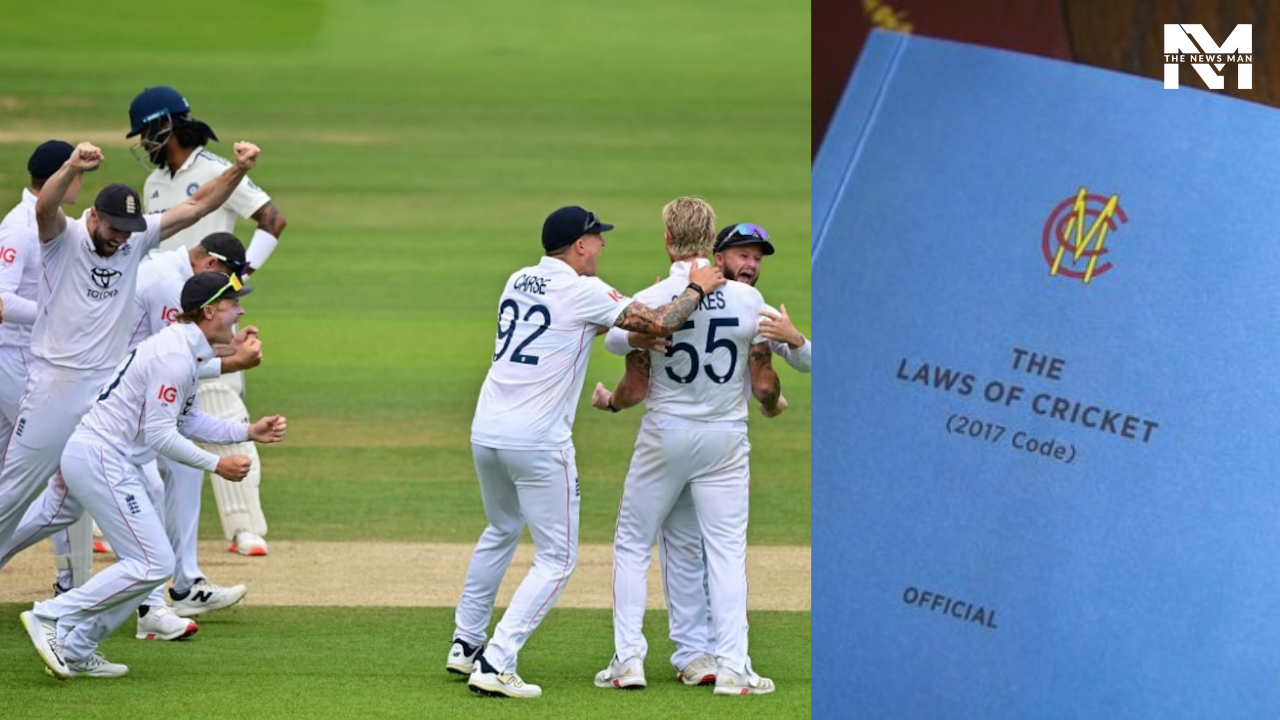
Marylebone Cricket Club (MCC) published a fresh edition of the Laws of Cricket, which will come into effect from October 2026. The first set of laws was introduced in 2017, followed by 2019 and 2022. This is the fourth edition, featuring 73 meaningful changes to the Laws, as well as a linguistic change throughout. Fraser Stewart, MCC Laws Manager, stated that “It is important that we announce these changes now as part of the Club’s global commitment to the game, giving officials from all over the world the chance to learn under the new Laws ahead of them coming into force in October.
Take a look at the key changes and the new cricket laws! The changes represent the way cricket continues to evolve.
Marylebone Cricket Club: Top 10 Changes And New Cricket Rules
MCC has today announced its new edition of the Laws of Cricket for 2026, which will come into force from 1 October. The new edition is the first to be published since 2022. Read more – https://t.co/rWJJZgLnoL pic.twitter.com/VnPgTEoiUx — Marylebone Cricket Club (@MCCOfficial) February 3, 2026
- No More Bunny-Catches
A fielder jumping from outside the boundary can touch the ball only once in the air.
- Balls Can Be Dead Anywhere
The ball can be declared dead without being in the keeper’s hands.
- More Relaxed Keeper Movement
The wicket-keeper can move early. He/she must be behind the stumps only after the release.
- Control of the Ball During Run-Out
For run-outs and stumpings, the ball must be fully held and not just touching.
- Fixed-Sized Ball
Women’s and junior cricket balls will now have a fixed, clear, and separate size. Overlapping will not be considered.
- Laminated Bats Are Approved
Adult cricket will now allow laminated bats. Laminated bats can use up to three pieces of wood, allowing more of the best-quality willow trees to be used, and for lower-quality willow to be glued to a high-quality face.
- Wicket Won’t Conclude the Day
The final over of the day must be finished even if the wicket falls.
- Turning Back Won’t Be Considered As Short Run
Batters can choose to turn back and abandon a run, without being penalised. However, deliberate short running must be an attempt to deceive the umpires.
- Difference Between an Overthrow and a Misfield Clarified
An overthrow is an attempt to direct the ball towards the stumps to stop run-scoring or attempt a run-out. A misfield is whether an attempt to stop the ball or pass it to another fielder close to the boundary should not be treated as an overthrow.
- What Is ‘Finally Settled’?
The ball no longer has to be in the bowler’s or wicket-keeper’s hands to be finally settled. It can be in the hands of any fielder or stationary on the ground.
Read Latest News and Breaking News at The Newsman, Browse for more Sports News