A Few Low-AQI Days Don’t Mean Relief: The Coming Heat Could Make Mumbai’s Commutes Miserable


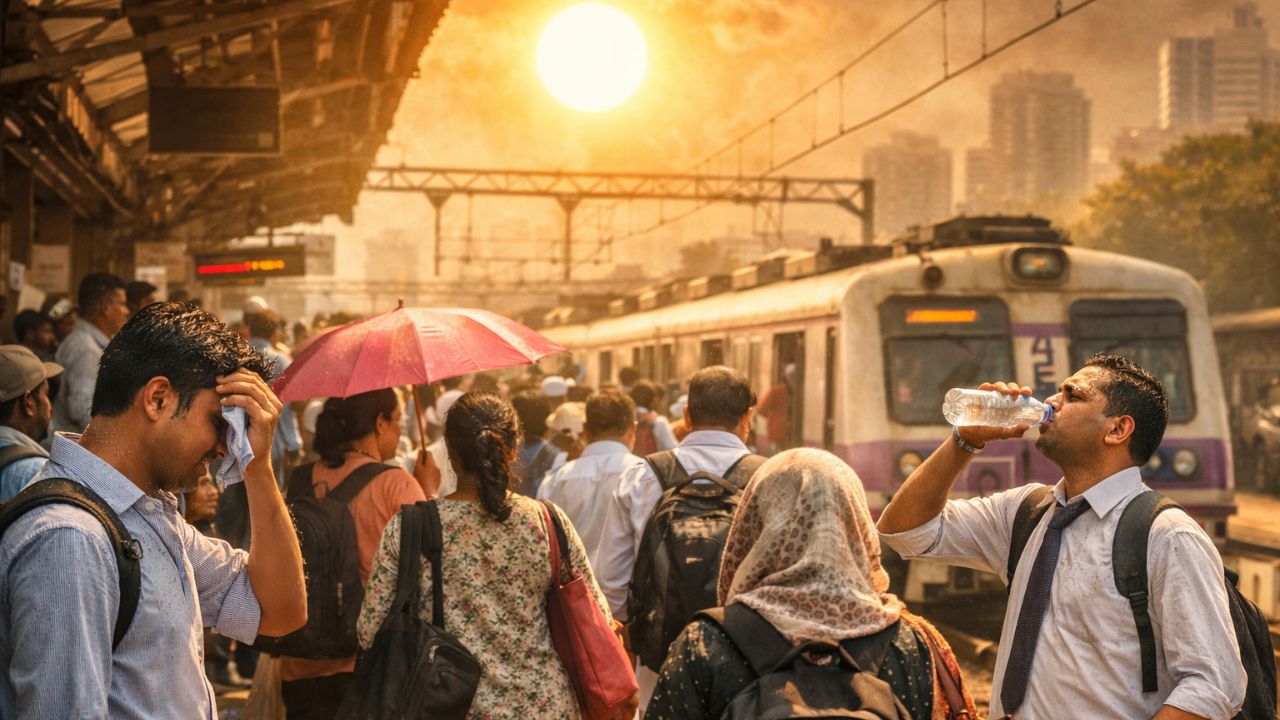
If you’ve been enjoying Mumbai’s unusually clear skies and low AQI over the past week, here’s the catch: the city is now bracing for an early summer spike. And for office-goers navigating daily commutes, the heat could soon become the real challenge. The AQI level and construction site work can be a defining factor in how harsh the summer will be.
Early Summer Arrives With a Jolt
After a brief spell of pleasant air quality, Mumbai is already seeing temperatures climb sharply. On 4 March 2026, the city recorded 38.7°C, the hottest day of the year so far, signalling that summer has arrived earlier and more intensely than usual.
Weather officials have warned that above-average temperatures are likely to persist across India in March, raising the possibility of more frequent heatwaves in the coming weeks. For Mumbai residents—especially those commuting by local trains, buses, or long road journeys—the rising heat could quickly become exhausting.
In a city where millions step out for work every morning, the difference between a normal summer day and a heat-wave day can mean longer fatigue, dehydration, and increased health risks during travel.
Why This Matters for Mumbai’s Office Crowd
Mumbai’s daily routine already involves crowded local trains, long platform walks, traffic congestion, and outdoor waiting time. When temperatures cross 37–39°C, the risk of heat exhaustion increases—particularly during midday travel or evening rush hours when platforms and roads radiate stored heat.
Unlike cities with shorter commutes, Mumbai’s workforce often spends one to three hours outdoors or in transit, making heat management crucial.
How to Avoid Heat Stroke During Your Commute
If you’re travelling to work in the coming weeks, a few simple adjustments can make a big difference.
- Hydrate Before Leaving Home
Don’t wait until you feel thirsty on the train. Drink water 20–30 minutes before stepping out so your body is already hydrated. - Carry Electrolytes, Not Just Plain Water
Long commutes can drain salts through sweat. A small ORS sachet or electrolyte drink during the day can help maintain balance. - Choose Breathable Clothing
Cotton or linen fabrics allow heat to escape better than synthetic office wear. - Avoid Direct Sun on Platforms
If possible, stand in shaded areas or under station roofs rather than open platforms. - Time Your Outdoor Walks
Try to avoid long outdoor walks between 12 pm and 3 pm, when heat intensity peaks.
The Hydration Myth Many People Believe
One common misconception during summer is: “Drink lots of water only when you feel thirsty.”
But thirst is actually a late signal of dehydration.
By the time you feel thirsty, your body may already be slightly dehydrated. During extreme heat, experts recommend small, regular sips of water throughout the day rather than large amounts at once.
Another myth is relying only on iced or extremely cold drinks. These may feel refreshing but don’t necessarily hydrate better than normal water—and can sometimes slow absorption.
What to Watch Out For
Heat exhaustion can build up quietly during daily travel. Early symptoms include:
- Persistent fatigue
- Headache
- Dizziness
- Heavy sweating
- Nausea
If ignored, it can escalate into heat stroke, which requires immediate medical attention.
Read Latest News and Breaking News at The Newsman, Browse for more Knowledge News