Crude Oil Price Spike Unlikely To Significantly Impact India’s Inflation, Says FM Nirmala Sitharaman


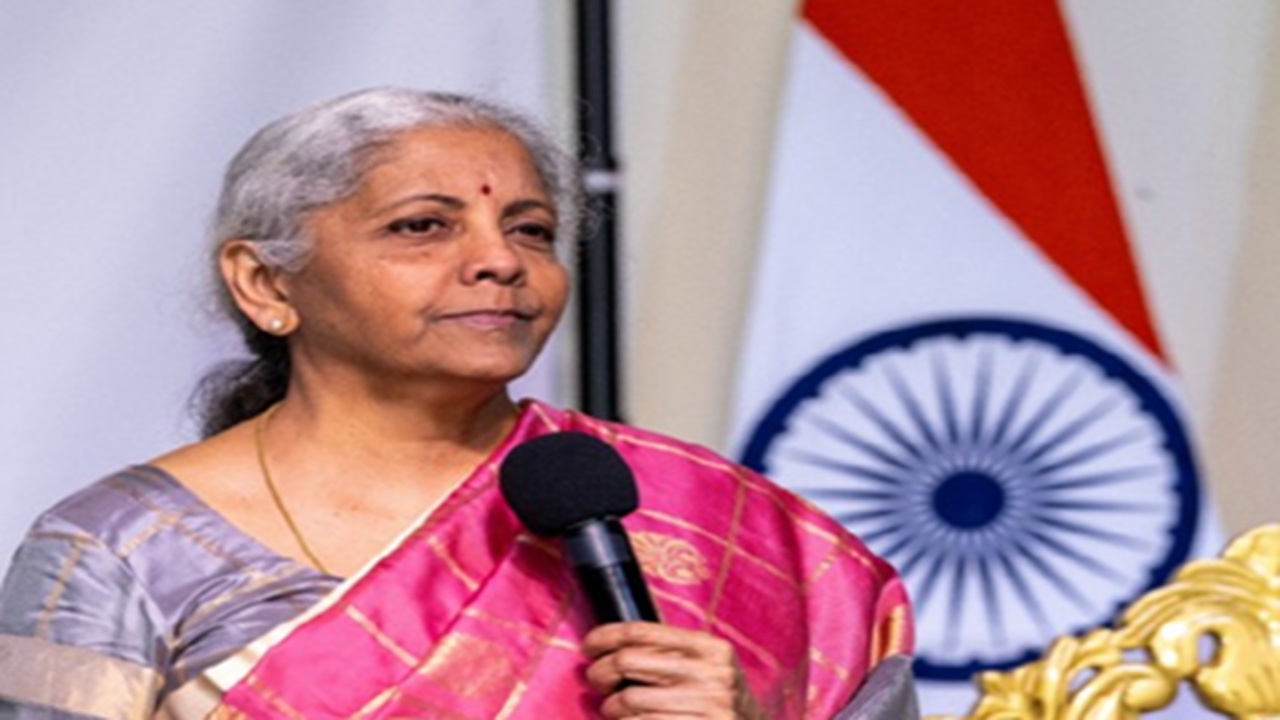
There is a surge in crude oil prices, yet there will be no impact on India’s inflation. According to Finance Minister Nirmala Sitharaman, who spoke on Monday during budget session 2026 and pointed out that local inflation is still close to the bottom of the Reserve Bank of India’s tolerance band, the government does not anticipate a significant increase in inflation despite the recent rise in global crude oil prices brought about by the growing conflict in the Middle East.
The Finance Minister stated in a written response to Parliament that the present inflation trend provides policymakers with some defense against price increases from outside sources.




Earlier in the day, crude prices had risen to about 120 USD per barrel in the largest intraday increase in history, before dropping from their highs later in the session.
In a written response in the Lok Sabha, the government stated that the price of the Indian crude basket increased from 69.01 USD per barrel at the end of February to 80.16 USD per barrel on March 2, following the start of geopolitical conflicts in West Asia on February 28. According to the administration, inflation in India is now near the bottom of the Reserve Bank of India’s permitted range, which minimizes the direct effect of rising oil costs on the general price level.
The medium term effect of increasing crude prices on inflation will depend on a number of variables, according to the government, including exchange rate movements, global supply and demand conditions, the transmission of monetary policy and the degree to which higher global prices are reflected in local fuel costs, as highlighted by media reports.
The Reserve Bank of India had previously predicted that inflation may increase by 30 basis points if crude oil prices are 10% higher than baseline expectations and the rise is completely reflected in domestic prices.
Read Latest News and Breaking News at The Newsman, Browse for more India News